The Beginning of an Era
1963 marked Sonny James’s return to Capitol Records. He had left the label in 1959, still searching for an identifiable sound and style of his own in the wake of the massive success of “Young Love.” That sound was about to arrive. Over the following decade Sonny James would place twenty-two singles at #1 on the country charts, including a legendary, uninterrupted streak of sixteen consecutive #1 hits.
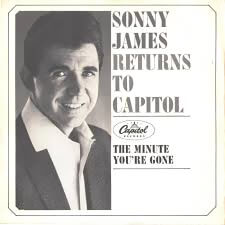
His first release after re-signing with Capitol was the debut recording of “The Minute You’re Gone,” an original song by Jimmy Gately, a Nashville, Tennessee fiddle player and singer. It found immediate success, reaching #9 on the country singles chart and #95 on the American pop chart. How that one song laid the foundation for everything that followed, launching the hit-after-hit run that became the greatest streak of #1 records the music industry has ever seen from a solo artist, is a story in its own right.
The Road to the Streak
- Summer 1962Nat King Cole releases the Ramblin’ Rose album on Capitol
- Oct 25, 1962Sonny records “The Only Cure” at Gold Star Studios, Hollywood
- Late fall 1962Sonny & Doris leave Hollywood for Hackleburg, Alabama
- Early 1963Capitol brings Sonny back to Hollywood to work with Nat King Cole
- Mar 15, 1963“The Minute You’re Gone” recorded in Nashville
- May 6, 1963Released as “Sonny James Returns To Capitol”
- Sep 15, 1963In Birmingham the morning of the 16th Street Baptist Church bombing
- Aug 15, 1964Meets The Southern Gentlemen at the Grand Ole Opry
The Back Story
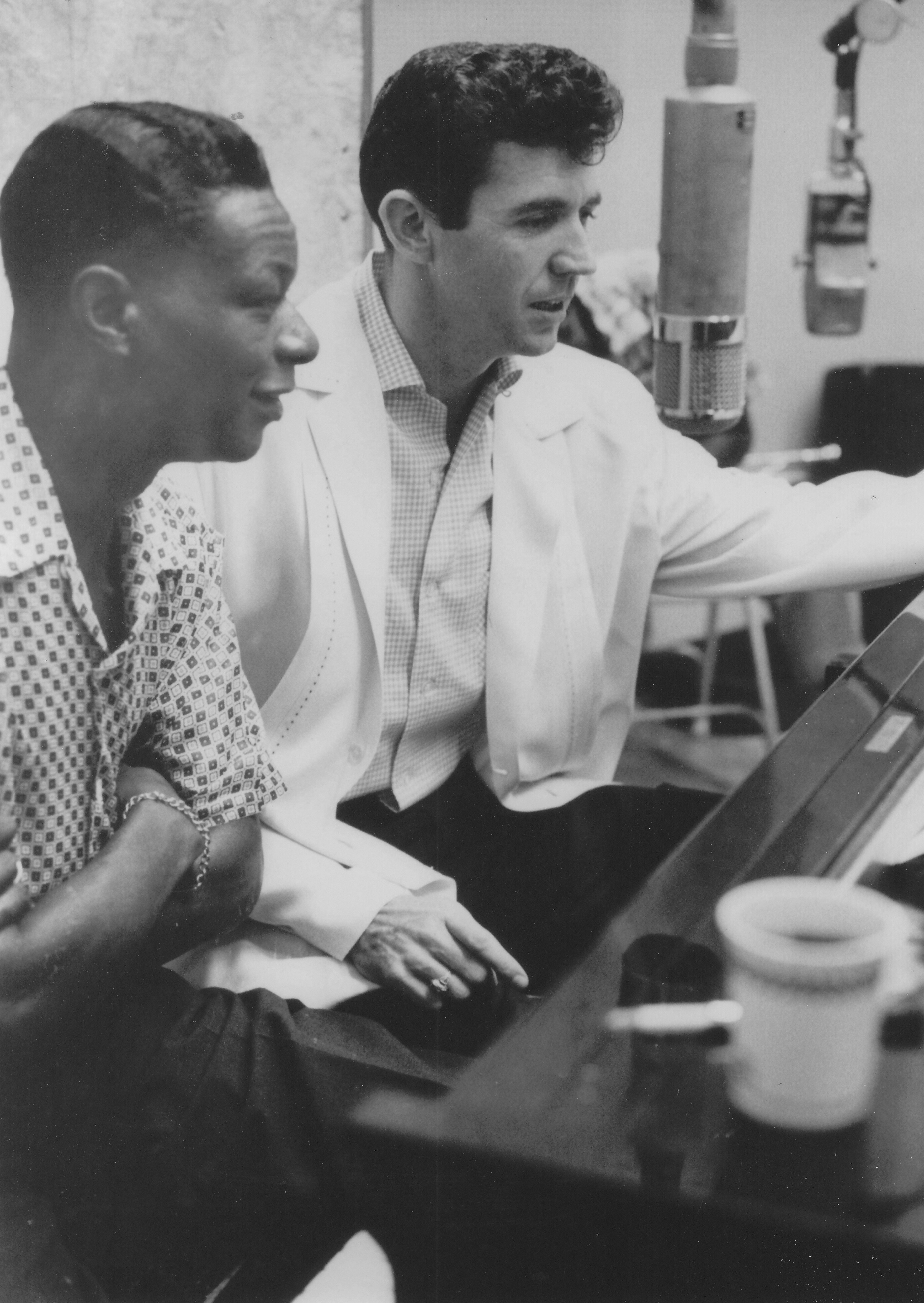
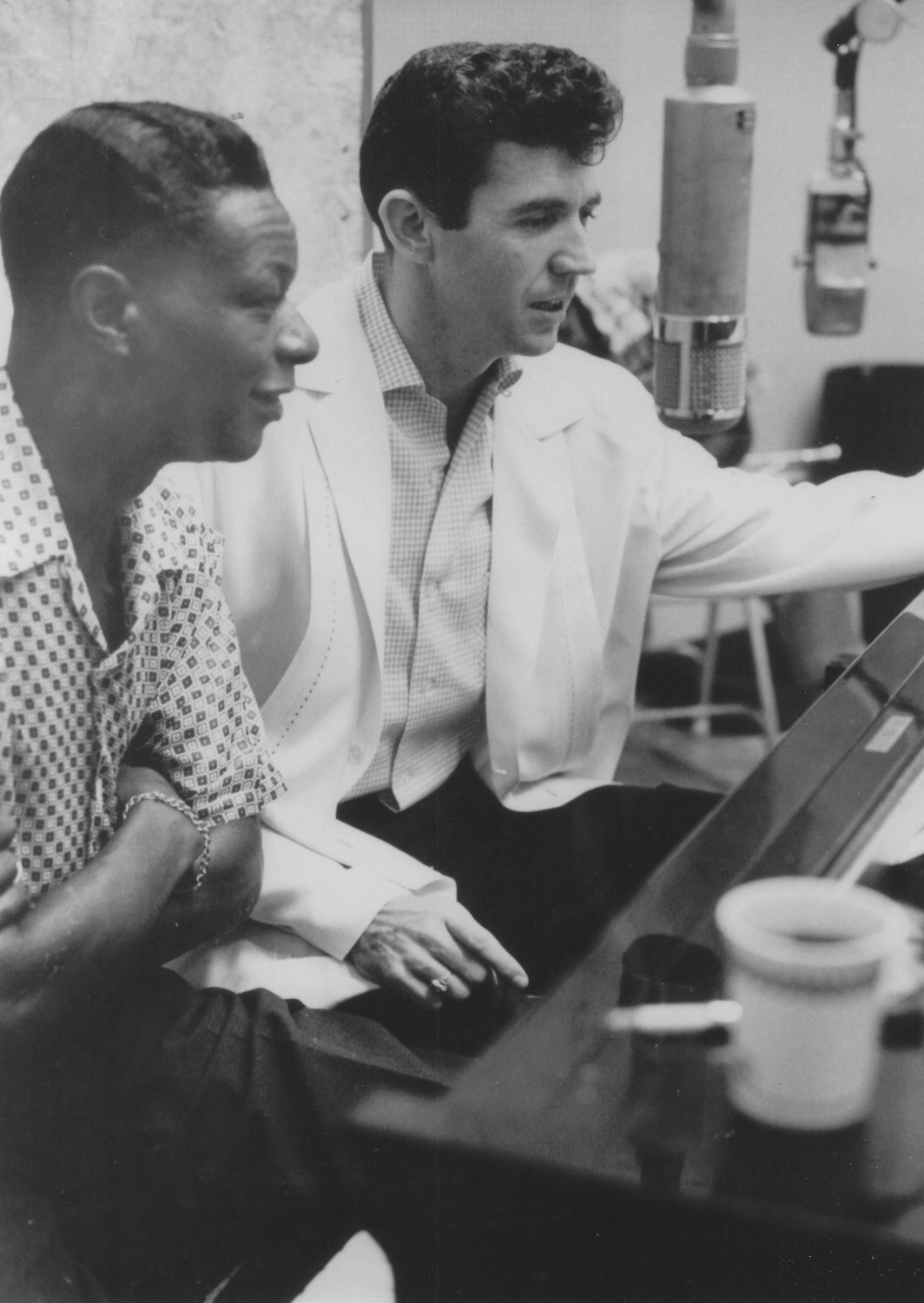
In 2014, during one of my regular visits with Sonny to review updates for this website (and to share a few laughs over his old stories), he casually handed me a photograph of himself with Nat King Cole. It was taken, he said, during time the two had spent together at Capitol Studios in Hollywood.
Sonny had never mentioned it before, and when a lifelong friend hands you a photo of himself in the studio with Nat King Cole, you take notice. In the conversations that followed, with Sonny and with others close to the story, the depth of Cole’s influence came into focus, revealing this moment in history as the fountainhead of Sonny’s enormous success.
Cole’s standing at Capitol explains why. Founded in 1942, Capitol Records owed so much of its subsequent success to Nat King Cole that the Capitol Records Tower in Los Angeles is still widely known as “The House That Nat Built.” Throughout the 1950s Cole was, literally and figuratively, the heart and soul of the Capitol brand as it grew into one of the preeminent record labels across a wide variety of genres.
From Hollywood to Home
Beginning around 1960, Sonny and his wife Doris lived in Hollywood. Sonny spent those years writing, searching for songs, recording at Capitol’s studios and building relationships across the industry. For all the sacrifices made in pursuit of a new and more sustainable career, the work was far from finished. By late 1962 the couple left Hollywood, uncertain of what the future held, and returned home to Hackleburg, Alabama.
Among the last work Sonny completed in Hollywood was “The Only Cure”, a song he wrote that was recorded on October 25, 1962 at the Gold Star Recording Studios in Hollywood, California, and released on DOT Records.
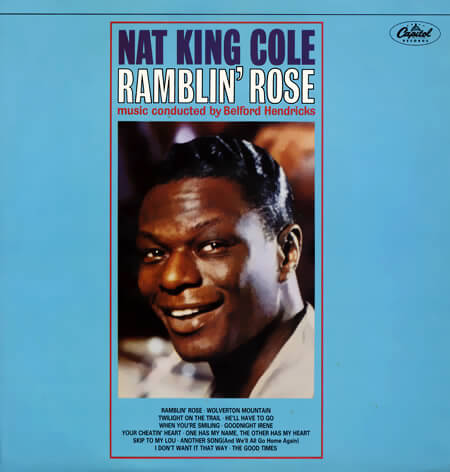
Sonny and Doris were back in Alabama by the late fall of 1962. That summer Nat King Cole had released Ramblin’ Rose, a Capitol album featuring a number of well-known country songs. Its title track broke new ground: for the first time, a full multi-vocal sound was presented from the very first measure, making the record instantly identifiable to listeners.
The “Cole”aboration
In the early months of 1963, Capitol and producer Ken Nelson brought Sonny back to Hollywood to collaborate directly with Nat King Cole. The aim was a deeper musical and production understanding of how Cole had arranged and recorded “Ramblin’ Rose.” Capitol’s message to Sonny was clear: if he could find an original song and record it with the same qualities for country music, new opportunities awaited him at the label.
Cole and Capitol both recognized that the “Ramblin’ Rose” approach, applied to the right song, was a formula for hit records at the time. They also appear to have understood that Cole himself could not fully adopt it without redefining himself as an artist, and no one was going to redefine the style of Nat King Cole, nor should they.
Both men were born and raised in Alabama, and their kinship came naturally. Nat had long been a favorite singer of Sonny’s, and of Sonny’s father as well. Energized by the collaboration, Sonny returned to Nashville immediately to begin his search for “the” song Capitol wanted him to find.
Search for the Song & the Sound
Back in Nashville, Sonny turned to people he trusted to help in the search for material. When Jimmy Gately’s “The Minute You’re Gone” surfaced, he knew it held the promise he was looking for. He called on artist and arranger Ray Stevens, and the two sat at Sonny’s kitchen table and worked out an arrangement that delighted him. Soon Sonny was back in the studio with Ken Nelson producing, recording “The Minute You’re Gone” in the same Nashville studio where he had cut “Young Love.”
Capitol promoted the release as “Sonny James Returns To Capitol,” and the single reached #9 on the country singles chart and #95 on the American pop chart. The success confirmed that Sonny had found what he and Capitol were looking for, and the search began for more songs in the same vein.
The Birmingham Church Bombing & the Civil Rights Era
Sonny soon embarked on a new run of touring engagements. On the morning of September 15, 1963, he was preparing to leave Birmingham, Alabama after a show the previous evening when he found downtown Birmingham in distress. He soon learned the cause: the historic 16th Street Baptist Church had been bombed.
The way Sonny internalized the struggles of that era was never about changing country music. It was about giving his music a fresh appeal that might expand the country audience beyond its existing boundaries, and about finding common musical ground between the rural country life he had known and grown up in and the urban city life he was adapting to.
Finding the Voices of “The Southern Gentlemen”
Sonny had turned what Nat King Cole and Capitol provided into an identifiable top-ten country hit, but he knew a crucial piece of the puzzle was still missing: the right backing vocalists, a group that could complement his own sound and style, fill out the sound and bring added energy to the stage. The singers heard on “The Minute You’re Gone” had been assembled for the record and did not tour.
Sonny set out to find a vocal group he could call his very own, and he found it at the Grand Ole Opry on August 15, 1964. Eight months earlier, this group of extraordinary harmonies, performing as The Chordsmen, had replaced The Jordanaires as the Opry’s staff backing vocal group. The Jordanaires had been Opry members since 1949 and for fifteen years were Nashville’s principal quartet, singing background vocals on both the Opry and recording sessions.
Without management, a record contract or even a name of their own, The Chordsmen stepped into the Jordanaires’ shoes and settled in. The Opry was so impressed with their energy that they quickly earned their own spot on the weekly show, and on one occasion received an unprecedented 11 encores after a single set.
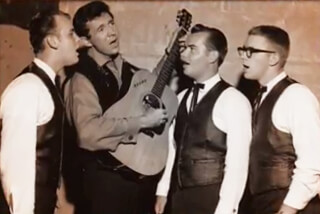
In their very first conversation, Sonny asked the group to harmonize with him. He was sold on the spot and offered them the role of The Southern Gentlemen. Together they would record and tour for many years and make music history.
Sonny James & Nat King Cole Make Country Music History
One million-selling Nat King Cole record set the sound for Sonny’s next chapter. Hear the song that inspired him, then the record it led to.

“Ramblin’ Rose”
This million-selling release was recorded by Nat King Cole on June 19, 1962.

“The Minute You’re Gone”
Sonny’s first recording influenced by Nat King Cole, modeled on “Ramblin’ Rose.” Recorded March 15, 1963 and released May 6, 1963.
Sonny Takes R&B Into the Country Mainstream & Achieves Legendary Success
Building on the sound he had made his own under Nat King Cole’s influence, Sonny released “You’re The Only World I Know,” which reached #1 on the country charts in November 1964. “I’ll Keep Holding On (Just to Your Love)” followed, peaking at #2 in March 1965, and “Behind The Tear” reached #1 in October 1965, the Cole sound still ever present.
In April 1966, in the midst of the American Civil Rights Era, Sonny’s recording of Adam Wade’s “Take Good Care of Her” quickly became a #1 country hit. With that single, Sonny became the first country artist to record an R&B song and carry it into the country music mainstream.
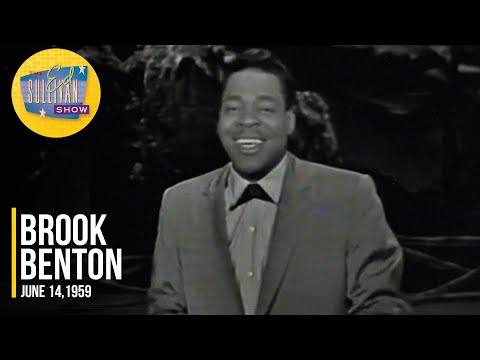
The pattern continued through his celebrated run of 16 consecutive #1 hits. Beginning in 1969, five of the next seven singles James recorded were songs that had already been top-three R&B hits for Ivory Joe Hunter, Brook Benton and Jimmy Reed, two of them co-written by Clyde Otis. All five, “Since I Met You Baby,” “It’s Just A Matter of Time,” “Endlessly,” “Empty Arms” and “Bright Lights, Big City,” reached #1 for Sonny James on the Billboard country charts.
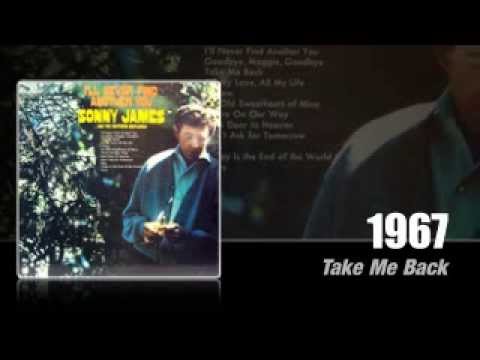
In 1965 Sonny also recorded “Take Me Back,” a top 20 R&B hit for Little Anthony and the Imperials. It was never released as a single, however, and so never registered on the country charts.
The R&B Songs of Sonny James
Rhythm & blues songs Sonny carried into country music. Play his version, then hear the original that inspired it.
-
1966
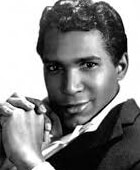 Adam Wade
“Take Good Care of Her”
-
1966
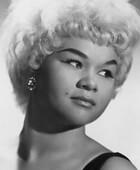 Etta James
“Something’s Got a Hold On Me”
-
1967
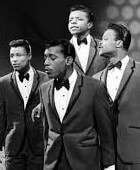 Little Anthony and The Imperials
“Take Me Back”
-
1969
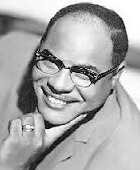 Ivory Joe Hunter
“Since I Met You Baby”
-
1970
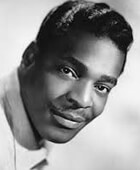 Brook Benton
“Endlessly”
-
1970
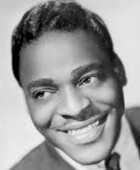 Clyde Otis · Songwriter
“It’s Just a Matter of Time”
Written by Clyde Otis. The original recording was performed by Brook Benton.
-
1971Ivory Joe Hunter
“Empty Arms”
-
1971
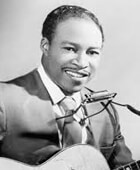 Jimmy Reed
“Bright Lights, Big City”
-
1971
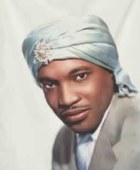 Chuck Willis
“What Am I Living For”
Sonny recorded it on November 6, 1969 for the Empty Arms album (1971). It was also issued as the B-side of “Surprise, Surprise” in 1973.
-
1971
 Johnny Ace
“Pledging My Love”
From Sonny’s 1971 album Here Comes Honey Again, recorded April 28, 1971. Johnny Ace’s original held #1 on the R&B chart for 10 weeks.
-
1976
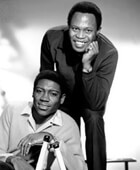 Sam and Dave
“When Something Is Wrong With My Baby”
The original was written and produced by Isaac Hayes.
-
1976
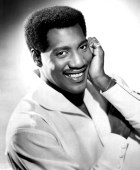 Otis Redding
“I’ve Been Loving You Too Long”
From Sonny’s 1976 album When Something Is Wrong With My Baby.
-
1979
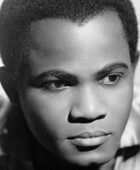 Joe Tex
“Hold What You’ve Got”
Joe Tex’s original was recorded at FAME Studios in Muscle Shoals, Alabama.